Working From Home | How to Carve Out an Office Space in Your Living Room

Working from home has become part of everyday life for many people, but not every home comes with a dedicated office. More often than not, the living room ends up doing double duty, serving as a place to relax, entertain, and now, focus and work. This shift can feel challenging at first, but it also opens up an opportunity to rethink how your space functions.
Creating a workspace in your living room doesn’t mean you need to compromise on daily comfort and style. With some adjustments, you can carve out an area that supports your work needs while still feeling like a part of your home. In this article, we’ll explore practical ways to create a functional, well-balanced office space within your living room, helping you work more effectively without losing the warmth and ease that make your home your own.
Start With the Right Spot
The success of your living room workspace often comes down to where you place it. Instead of trying to fit a desk into an already busy area, take a moment to look for underused corners, quiet alcoves, or even an open stretch of wall that isn’t serving a clear purpose. These overlooked spaces can often be used as surprisingly effective work zones.
It’s also worth considering practical details early on. Think about lighting and plug points. Positioning your workspace near a source of natural light can help reduce eye strain and create a more pleasant environment throughout the day. At the same time, easy access to plug points will save you from dealing with trailing cables or constant rearranging.
Finally, think about how your workspace fits into the overall flow of the room. It should feel like a natural extension of the space rather than an interruption. When placed thoughtfully, your desk can blend into the living room and offer a sense of focus and structure at the same time.
Define the Space Without Building Walls
You don’t need to invest in permanent changes or major renovations to create your dedicated workspace. In a shared space like the living room, use simple design elements like a well-laced rug, a strategically positioned sofa or an open shelving unit to help establish a visual boundary without closing the space off completely.
These small shifts in how you define the space can have a real impact on how you use it. When your workspace feels like its own corner it becomes easier to settle into work mode without distractions. Just as importantly, stepping away from that spot at the end of the day helps draw a clear line between work time and home life, which many people struggle with when everything happens in one room.
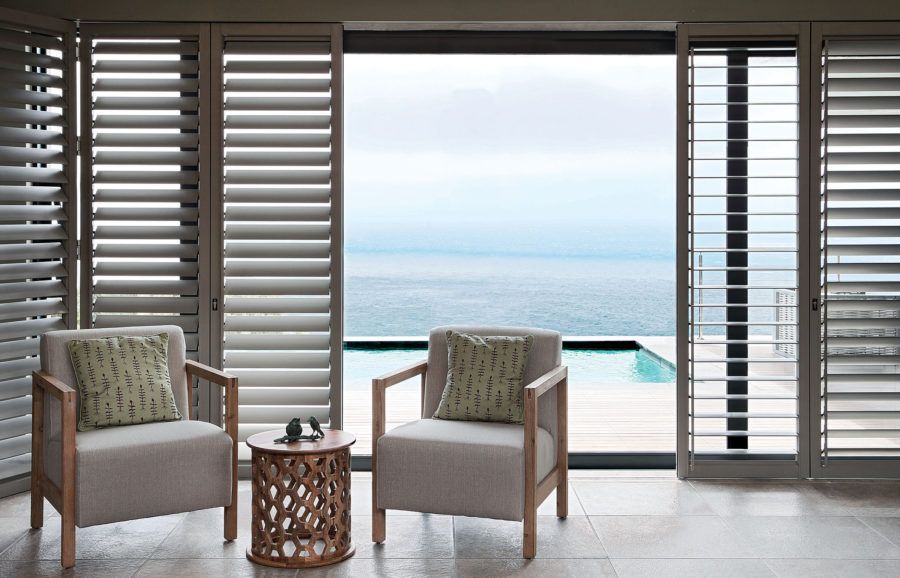
The key is to create that separation without making it feel disconnected. Your workspace should still belong to the room, not compete with it. Choices in colour, finishes, and materials go a long way in keeping everything visually aligned. For a more intentional approach, Plantation Shutters also designs beautifully crafted room dividers that add structure without feeling heavy. They offer a way to define your workspace more clearly while still keeping the overall look of your living room calm and well curated.
Choose Smart, Space-Saving Furniture
When your office shares space with your living room, every piece of furniture needs to earn its place. A bulky desk can quickly overwhelm the room, so it’s worth looking for more compact options. Wall-mounted desks or fold-away designs are especially useful as they give you a practical work surface when you need it, without taking up space full-time.
Multi-functional pieces can make a noticeable difference, too. A desk with built-in drawers helps keep clutter at bay, where something like a storage ottoman can double seating and a place to tuck work items out of sight at the end of the day. It’s all about choosing pieces that work a little harder for you.
That said, don’t sacrifice comfort for the sake of saving space. If you’re spending hours at your desk, a supportive chair is essential. The goal is to create a setup that feels easy to use every day – practical, comfortable, and in keeping with the rest of your living room.
Make Lighting Work For You
Good lighting can make or break your workspace, especially in a shared area like the living room. Where possible, position your desk close to a window so you can make the most of natural light during the day. It helps reduce eye strain and creates a more comfortable, energising environment to work in. Natural light isn’t always consistent, however. Adding a desk lamp gives you more control, especially for early mornings, late afternoons, or overcast days. It’s a simple way to keep your workspace functional no matter the time.
It’s also worth paying attention to glare. If your screen is catching too much light, it can quickly become distracting and uncomfortable. Adjusting your desk position slightly or softening the light in the room can make a noticeable difference helping you stay focused without constantly shifting around.
Manage Light and Privacy with Plantation Shutters
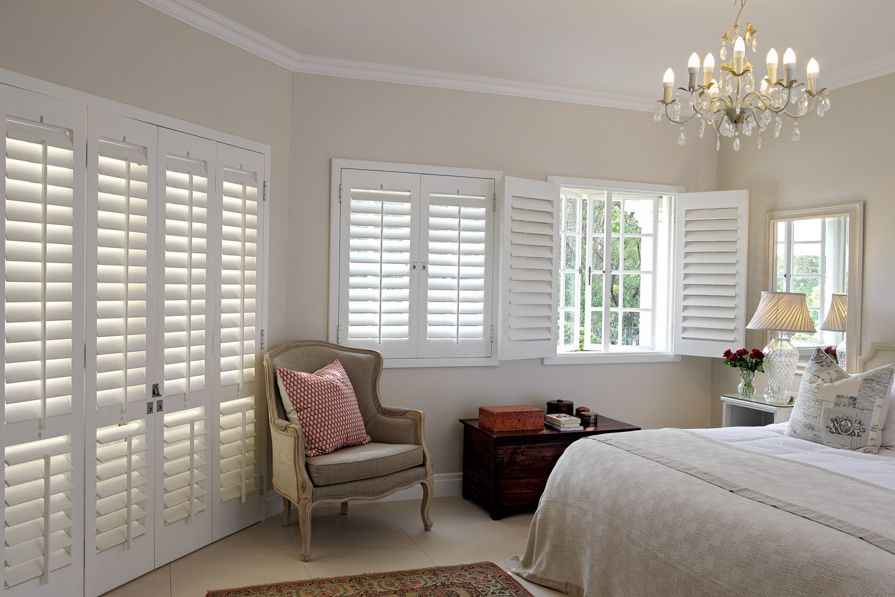
If your living room doubles as your office, managing light and privacy becomes part of your daily routine. Plantation shutters offer a solution that feels considered rather than makeshift.
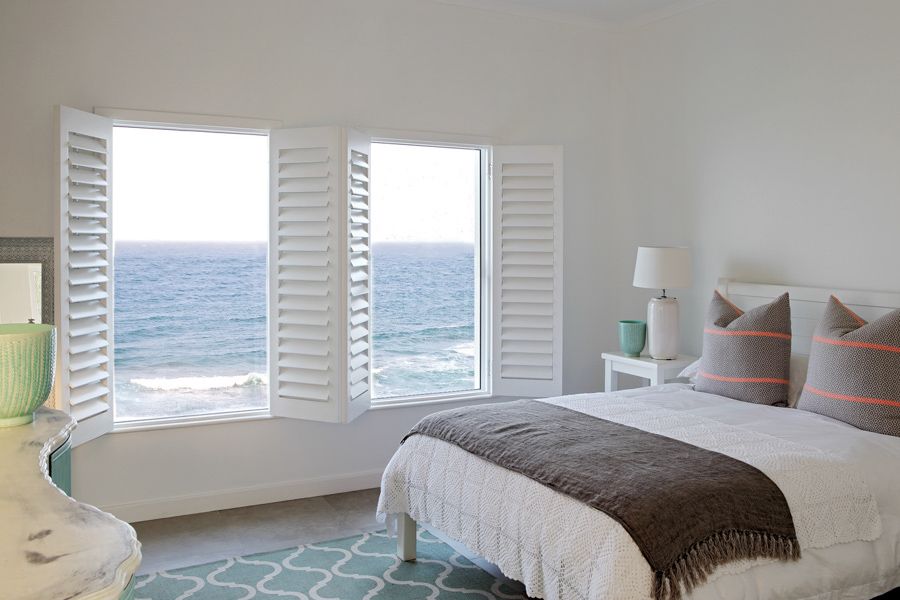
One of their biggest advantages is flexibility. The adjustable louvres let you control how much light comes in at any point in the day, so you can keep your workspace bright without dealing with harsh glare on your screen. It’s a simple adjustment, but it can make your setup far more comfortable to use. They also offer a level of privacy that’s especially helpful if your home faces the street or if you’re regularly on video calls. You can let light in while limiting visibility, which isn’t always possible with standard curtains or blinds.
From a design perspective, plantation shutters have a clean look that sits easily within a living room setting. Because they’re custom-made, they fit your windows precisely, helping even a small or multi-purpose space feel more intentional.
Keep Clutter Under Control
In a shared space like the living room, clutter builds up quickly and it can make it harder to focus than you might expect. Keeping your workspace organised doesn’t have to be complicated.
Start by making use of vertical space. Shelves or wall organisers can hold everyday items without taking up valuable floor space, keeping your desk area clearer and easier to work from. When it comes to your desk itself, try to limit what’s within arm’s reach to the essentials. A cleaner surface often leads to a clearer head.
It also helps to think about how your storage looks, not just how it functions. Since your workspace is part of your living room, any storage you introduce should feel in keeping with the rest of the space. When everything works together visually, the room feels calmer and your workspace feels less like an add-on and more like a natural part of your home.
Add Personal Touches
Once the practical elements are in place, a few personal details can make your workspace feel far more inviting. This doesn’t mean filling every surface, just adding a couple of pieces that you genuinely enjoy like a plant or a special photo. The key is restraint. You don’t want the space to become busy or distracting. A small number of well-chosen items can bring warmth and personality without pulling your attention away from your work. It also helps to think about how these touches fit into the room as a whole. Choose colours and finishes that echo the rest of your living room to keep everything feeling connected.
Create a Routine Around the Space
When your workspace is part of your living room, structure doesn’t come from the room itself, it comes from how you use it. Building a simple routine around your workspace can make a big difference in how focused your day feels.
If possible, get into the habit of packing work items away at the end of the day. Even a quick tidy-up helps signal that work is done and allows the room to return to its original purpose. It’s a small step, but it can make switching off feel much more natural.
You can also use repeatable actions to mark the start of your workday. Something as small as opening your shutters, adjusting the light, or switching on your desk lamp can act as a cue that it’s time to focus. Over time, these habits help create a clearer separation between work and relaxation, even when both happen in the same space.
Conclusion
Creating a home office just requires a more considered approach to how your space is used. With the right layout, lighting, and furniture, small adjustments can noticeably improve comfort and productivity.
Plantation shutters are a simple addition that can make a lasting impact. They offer practical control over light and privacy while bringing a cohesive look to your living space. If you’re planning your setup, it’s worth considering custom plantation shutters early on so your workspace feels intentional and well integrated from the start.